Electronic: Solenoid vs Motor Drives
The physical security community evaluates smart locks not by their smartphone encryption, but by the electro-mechanical actuators inside their housing.
Smart locks, biometric readers, and keypad entry units combine microcontrollers with physical mechanical drives. However, advanced AES-256 digital encryption is irrelevant if an attacker can bypass the locking mechanism using an external neodymium magnet or a low-torque pick inserted into an unshielded backup keyway.
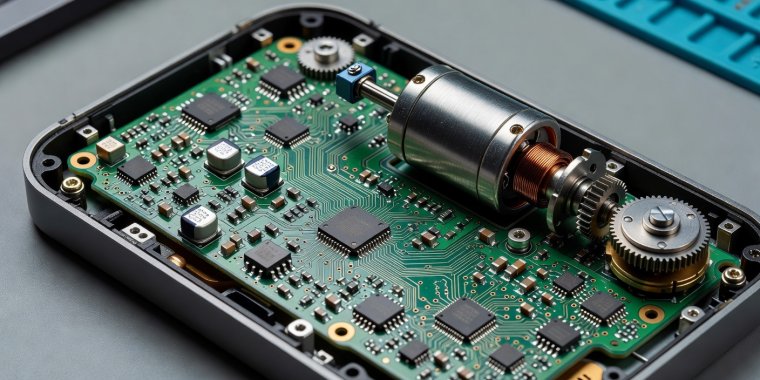
Solenoid Actuators vs. Geared DC Motors
In electronic access hardware, the transition from electrical signal to mechanical retraction relies on one of two primary actuators: an electromagnetic solenoid or a motorized reduction gear train.
1. The Solenoid Problem
A solenoid uses an electromagnetic coil surrounding a spring-loaded iron plunger. When pulsed with current, the magnetic field pulls the plunger inward, dropping a blocking pin and freeing the exterior handle or deadbolt cam. While simple and power-efficient, poorly shielded solenoids exhibit a major vulnerability: magnetic bypass attacks.
By placing a rare-earth neodymium magnet (rated at 100+ lbs of pull force) against the exterior casing, an attacker can generate a localized magnetic field that pulls the internal iron plunger downward without any electrical trigger. In consumer-grade safes and budget electronic locks, this bypass can compromise the device in seconds with zero damage.
2. Geared DC Stepper Motors
High-security electronic locks (such as commercial dormakaba or Sargent units) reject solenoids in favor of enclosed micro-stepper motors driving a high-ratio worm-gear reduction box. A worm gear is mechanically non-reversible: the worm can easily turn the gear wheel, but back-driving force from the deadbolt or exterior handles cannot turn the worm.
This design renders magnet attacks useless—the mechanical drive is physically locked in place by gear tooth interference and requires powered rotation from the internal motor to cycle the bolt.
The Emergency Keyway Dilemma
Virtually all consumer smart deadbolts feature an exterior keyed cylinder to prevent lockouts during battery failure. However, manufacturers frequently treat this mechanical core as a cheap afterthought, installing low-cost 5-pin brass cylinders without security pins.
As a result, a property owner may purchase an expensive smart lock, only to compromise their security with a budget cylinder that an attacker can pick or bump in under fifteen seconds. High-security smart hardware must pair commercial-grade electronic drive trains with certified high-security cylinders (such as Medeco, ASSA, or EVVA cores).
Fail-Safe vs. Fail-Secure Classifications
Technicians strictly categorize all commercial electro-mechanical locks by their behavior during total power disconnection: